Best AI Skills for Freelancers Who Do Client Work
Freelancers who use AI for the business side of client work close more deals and spend less time on the parts that don't pay. These are the skills worth looking at.
Freelancing is two jobs. One pays well: the creative work your clients hire you for. The other doesn't pay at all: writing proposals, chasing invoices, figuring out what to charge, and following up with people who ghosted your last email.
Most freelancers spend 30-40% of their week on that second job. Some weeks, more. The admin-heavy weeks are usually the ones where you're not earning anything, because you're too busy trying to land the next project to actually do billable work.
AI won't do the creative work for you. But it can cut the admin in half. The right AI skills handle the repetitive business tasks so you can spend more hours on work that pays.
Here are the ones that matter most if you freelance or do client work.
Where Freelancers Actually Lose Time
Before picking tools, it helps to know where the time goes. Most freelancers lose hours in four places:
- Outreach and pitching. Writing cold emails, researching potential clients, customizing each pitch.
- Proposals. Drafting project scopes, pricing, timelines, and deliverables from scratch every time.
- Pricing decisions. Second-guessing rates, undercharging because you're afraid to lose the deal.
- Delivery and revisions. Producing work that could be faster with better systems, then managing scope creep.
AI skills are most useful at stages 1-3. That's where the repetitive, template-able work lives. Stage 4 depends more on your craft, but there are skills that speed up delivery too, especially if you create content for clients.
Skill 1: Client Proposal System
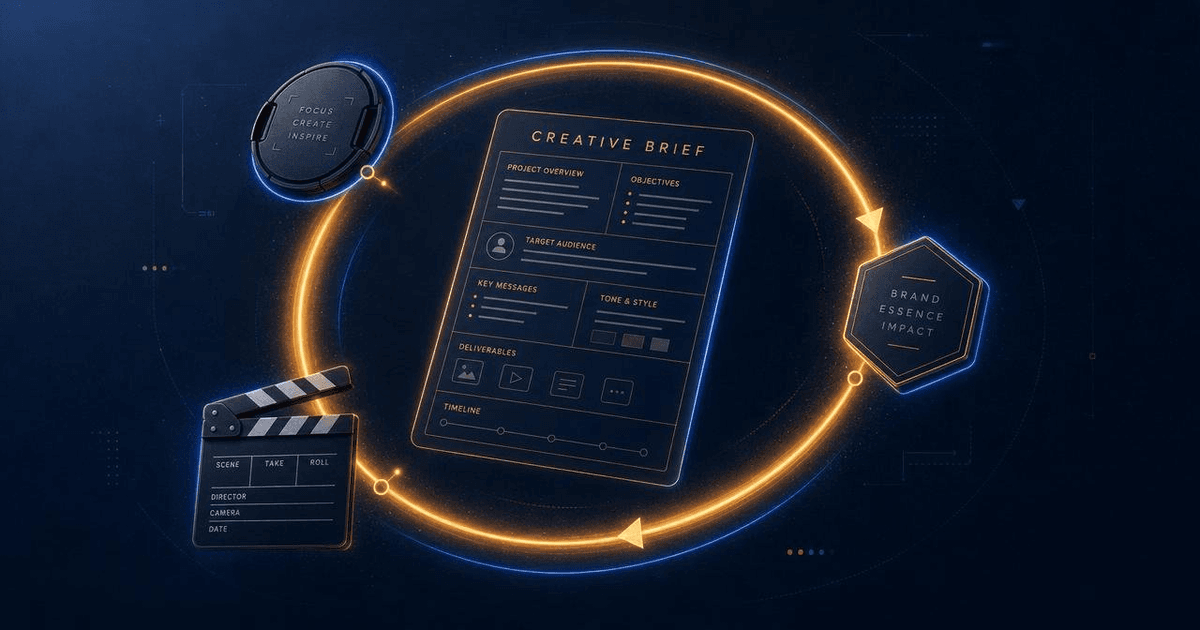
Writes complete freelance proposals (problem statement, approach, deliverables, pricing, timeline, and a clear next step) in minutes instead of hours. $7 from Freelance & Client Work.
If you only get one skill from this list, make it this one. Proposals are the single most important document in freelancing. A strong proposal wins the project. A weak one loses it before the client finishes reading.
The Client Proposal System covers six service types: video production, social media management, newsletter writing, content strategy, brand ghostwriting, and podcast production. You tell it about the client, the project, and your target rate. It builds the full proposal.
What makes it different from just asking ChatGPT to write a proposal:
- It opens with the client's problem, not your credentials (the single biggest mistake in freelance proposals)
- It includes discovery questions that surface the client's budget and decision-making process without being awkward
- It generates three formats: full formal proposal, quick email proposal, and a rate card with packages
- It handles follow-ups: day 3, day 7, and post-decline templates
Real scenario: You get an email from a SaaS company asking about social media management. Instead of spending 90 minutes drafting a proposal from scratch, you drop the client's brief into the skill. Ten minutes later, you have a proposal that leads with their growth problem, outlines a 3-month strategy, includes clear deliverables, and ends with "Here's a 15-minute call link to discuss" instead of "Let me know your thoughts."
That speed matters. The freelancer who responds with a polished proposal in 2 hours wins the deal over the one who takes 4 days.
Skill 2: Sponsor Deal Calculator & Pitch
Calculates what you should charge for sponsorships based on real benchmarks, then writes the pitch email and media kit content. $7 from Sponsor & Brand Deals.
This isn't just for "influencer" sponsorships. If you freelance and approach brands directly for content partnerships, sponsored posts, or ongoing retainer work, you need to know your numbers.
The Sponsor Deal Calculator & Pitch uses CPM, CPE, and flat-rate benchmarks matched to your platform, niche, audience size, and engagement rate. Fitness, finance, and gaming all price differently. The skill accounts for that.
Freelancers use it for:
- Setting project rates, even when it's not technically a "sponsorship." The benchmarks help you price any content creation work for brands.
- Writing outreach emails. The skill generates personalized pitches referencing the brand's recent campaigns and explaining why your audience fits.
- Building media kits with stats, audience demographics, and rate card formatting you can send alongside proposals.
- Handling lowball offers with negotiation scripts for "your rate is too high" conversations that don't burn the relationship.
Real scenario: A DTC brand reaches out asking your rates for a sponsored YouTube integration. You're not sure if $800 or $2,000 is right. You feed your channel stats into the calculator. It tells you $1,400 is fair based on your niche and engagement. You send a pitch at $1,500 (with room to negotiate) along with a clean rate card. The brand says yes because you looked like you'd done this before.
Skill 3: Monetization Strategy Planner
Audits every way your channel or freelance business could make money, ranked by what makes sense at your current size. $7 from Freelance & Client Work.
Most freelancers have one income stream: client work. That's fine when projects are flowing. It's terrifying when they're not.
The Monetization Strategy Planner looks at your full picture (audience size, niche, engagement, current revenue) and maps out 2-3 additional income streams you could realistically build. You get specific, sequenced recommendations with rough revenue projections.
It evaluates digital products, courses, memberships, affiliates, consulting, sponsorships, and merch. For each, it tells you whether it makes sense now, in 90 days, or not until you hit a specific milestone.
Three common uses for freelancers:
- Transitioning from hourly to productized services. The planner helps you spot which of your repeatable processes could become a fixed-price offering.
- Figuring out which digital products your audience would actually buy, based on your niche and engagement patterns.
- Planning for slow months by building income streams that keep paying when client work dries up.
Real scenario: You're a freelance video editor with 3,000 YouTube subscribers documenting your process. Client work brings in $4,000/month but it's inconsistent. The planner maps out: (1) a $47 editing presets pack you can sell now, (2) an affiliate setup with your favorite gear in 30 days, and (3) a $199 mini-course on editing workflow once you hit 5K subscribers. Projected additional revenue: $800-1,200/month within 90 days.
Bonus: Skills That Speed Up Client Delivery
If you create content for clients (managing their social media, writing their newsletters, producing their videos) these skills cut your delivery time in half:
Content Idea Brainstormer (free): Generate 10-15 content ideas for any niche in minutes. When a client asks for "this month's content calendar," you don't start from zero.
Video-to-Everything Repurposer: Turn one client video into Twitter threads, LinkedIn posts, Instagram captions, and newsletter sections. Instead of creating 15 pieces of content from scratch, you create one anchor piece and repurpose it. Clients love seeing their one video become a week of social content.
Long-Form Script System: If you write scripts for clients, this structures long-form content with hooks, transitions, and retention beats that hold attention. A 15-minute script draft instead of a 2-hour writing session means more clients at the same hourly capacity.
The Freelance AI Stack (What to Buy First)
| Your situation | Start here | Then add |
|---|---|---|
| You're losing deals on proposals | Client Proposal System ($7) | Sponsor Deal Calculator for rate confidence |
| You're undercharging and you know it | Sponsor Deal Calculator & Pitch ($7) | Client Proposal System to close at your new rates |
| Client work is feast-or-famine | Monetization Strategy Planner ($7) | Content delivery skills to handle more clients |
| You create content for clients | Content Idea Brainstormer (free) | Video-to-Everything Repurposer for maximum output |
Start where the money is leaking. For most freelancers, that's pricing or proposals.
What This Looks Like in a Real Week
Monday: New lead comes in via email. You run their brief through the Client Proposal System. Proposal sent by lunch.
Tuesday: The client from last week wants a rate for ongoing work. You use the Sponsor Deal Calculator to benchmark your retainer price. You send a rate card that's backed by real data.
Wednesday-Thursday: You're delivering content for two clients. The Content Idea Brainstormer generates next month's content calendar for Client A in 20 minutes. The Video-to-Everything Repurposer turns Client B's podcast episode into 12 social posts.
Friday: You spend an hour with the Monetization Strategy Planner mapping out a productized service offering. By month-end, you're selling $500 social media audits alongside your retainer work: an income stream that didn't exist 30 days ago.
Total time spent on admin and business development this week: about 3 hours. Down from the 10-12 hours it used to take.
Your Next Step
If you freelance or do any kind of client work, start with the skill that matches your biggest bottleneck:
- Losing deals? Browse the Client Proposal System
- Undercharging? Check the Sponsor Deal Calculator
- Revenue too dependent on one client? Try the Monetization Strategy Planner
- Just getting started? Grab the free Content Idea Brainstormer and see what AI skills feel like
Every skill works with Claude, ChatGPT, or any AI platform: install once and start using it immediately.
Related Reading
- AI Tools for Freelance Content Creators: The full buyer's guide for freelancers evaluating AI tools
- How to Write Freelance Proposals That Actually Win Clients: Deep dive on proposal structure and strategy
- AI Content Batching: Create a Week of Content in 2 Hours: The batching workflow for maximum output
- Browse All Freelance & Client Work Skills: See everything in the category
About the author
Founder, CreatorSkills
Caleb Leigh is the founder of CreatorSkills and helps creators build AI-powered workflows that actually grow their businesses.
Read the founder profile