How AI Skills Are Changing Creator Workflows
The creator workflow is being fundamentally restructured by AI skills. This post examines the four biggest shifts: from reactive to proactive, from fragmented to connected, from time-for-output to leverage-based systems, and what it means for creators who adapt first.
Three years ago, the typical creator workflow looked like a scavenger hunt. Open a keyword tool for research. Switch to Google Docs for scripting. Hop over to Canva for thumbnails. Dig into YouTube Studio for analytics. Copy-paste everything between apps and pray your formatting held up.
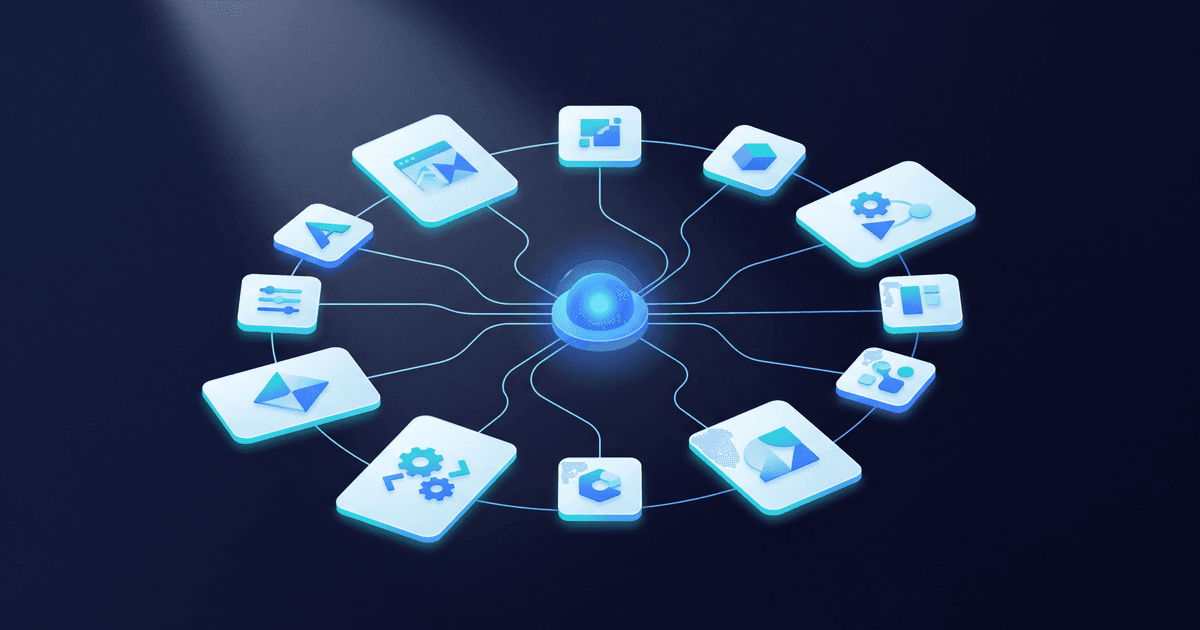
In 2026, that same creator is doing most of those steps inside one AI assistant. The shift is not about saving 15 minutes here and there. It's about restructuring how creators relate to their own work.
Here are the four biggest ways AI skills are reshaping creator workflows right now — and what separates the creators who are gaining ground from the ones who are standing still.
1. From reactive to proactive: AI now plans your content before you do
Most creators are reactive. They wake up, check what performed well last week, and try to replicate it. Or they wait for inspiration to strike, which means inconsistent publishing and burnout when the ideas stop coming.
AI skills flipped this model. The creator now starts Monday with a full roadmap generated from performance data, trending signals, and audience behavior patterns.
The [Trend Hunter System](/skills/trend-hunter-system?utm_source=blog&utm_medium=organic&utm_campaign=blog_cta_retail_2026&utm_content=ai-skills-changing_trend-hunter-system analyzes search volume, TikTok growth rates, and platform momentum to surface topics that are rising but not yet saturated. Instead of chasing yesterday's trend, you're positioned ahead of it. The system returns a prioritized list with virality scores and timing recommendations, so you're not guessing what to make next — you're executing a plan.
For creators who are tired of the "what do I post today" scramble, this is the biggest mental shift. The AI does the research. You do the judgment.
2. From fragmented to connected: One input now feeds multiple outputs
The old way: write a script, then separately write a Twitter thread, then separately write a LinkedIn post, then separately script a Short. Each piece of content was built in isolation. A 15-minute video required 15 minutes of scripting, 30 minutes of social copywriting, and another 30 minutes of short-form adaptation. The same ideas were rethought five different times.
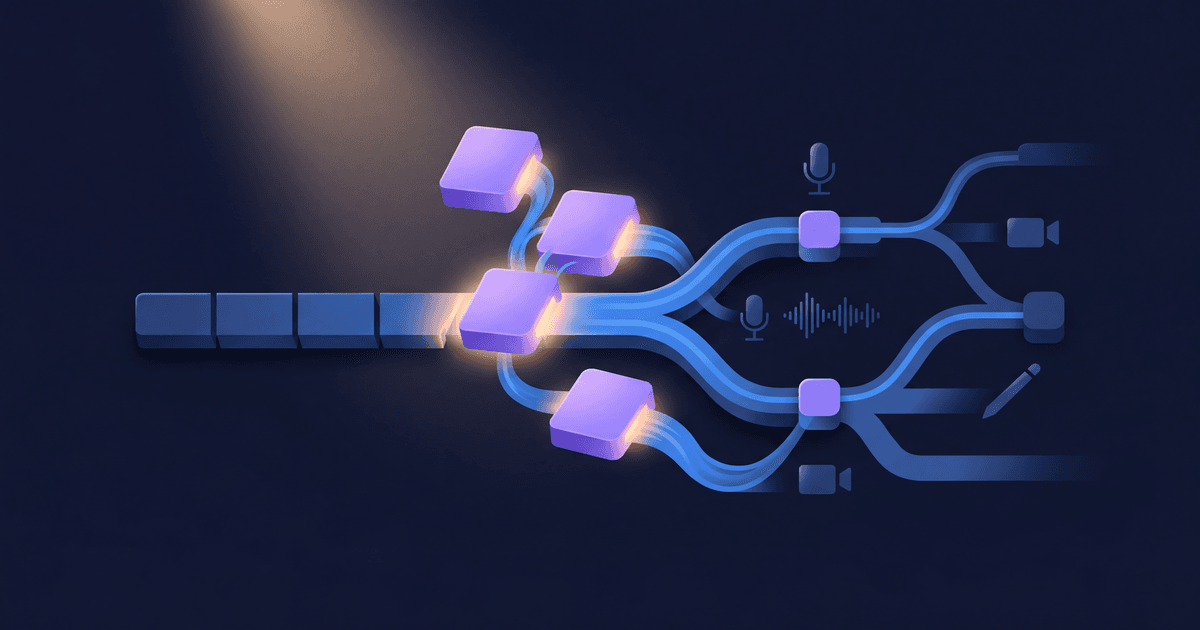
The new way: your script becomes the source of truth. Feed it to a repurposing skill once, and it generates platform-native versions for every channel you publish to.
The [Video-to-Everything Repurposer](/skills/video-to-everything-repurposer?utm_source=blog&utm_medium=organic&utm_campaign=blog_cta_retail_2026&utm_content=ai-skills-changing_video-to-everything-r takes one transcript and outputs 15+ platform-specific pieces — Twitter/X threads with tweet-length bites, LinkedIn posts in a professional tone, Instagram captions with story-driven hooks, and TikTok scripts with visual hooks built in. Each output is adapted for the destination, not trimmed and pasted.
The [Content Repurposing Planner](/skills/content-repurposing-planner?utm_source=blog&utm_medium=organic&utm_campaign=blog_cta_retail_2026&utm_content=ai-skills-changing_content-repurposing-p goes a step further by mapping the distribution strategy before you write a single post, so your repurposed content has a coherent arc across platforms instead of feeling like random fragments.
This connectivity means a single piece of source content automatically generates its own distribution package. The creator's job shifts from writing five separate things to reviewing one set of outputs.
3. From craft to system: Thumbnails and hooks are now engineered, not guessed
For years, creators treated hooks and thumbnails as creative expressions — and they are. But they are also the primary leverage points for whether your content gets seen at all. A brilliant video with a weak hook dies in the first 30 seconds. A strong video with a forgettable thumbnail never gets clicked.
AI skills are bringing engineering discipline to these creative decisions.
The [Viral Hook Generator](/skills/viral-hook-generator?utm_source=blog&utm_medium=organic&utm_campaign=blog_cta_retail_2026&utm_content=ai-skills-changing_viral-hook-generator produces five distinct hook options in under two minutes. Each is built on a proven archetype — curiosity gaps, relatable struggles, data shocks — not generic templates. The creator picks the one that matches the video's energy and audience mood, instead of staring at a blank script wondering how to open.
The [AI Thumbnail Factory](/skills/ai-thumbnail-factory?utm_source=blog&utm_medium=organic&utm_campaign=blog_cta_retail_2026&utm_content=ai-skills-changing_ai-thumbnail-factory generates CTR-optimized thumbnail concepts with layout specs, text overlay wording, and color palettes. It does not replace your creative judgment. It replaces the 90 minutes of brainstorming and layout experimentation that used to happen before your creative judgment even got involved.
The result: creators are making packaging decisions with structured input instead of gut feel, and the data shows in their click-through rates.
4. From time-for-output to leverage-based: Skills compound over time
The biggest misunderstanding about AI skills is that they are fancy prompts. They are not. A prompt gives you one output. A skill gives you a system that improves with use.
Here's what that looks like in practice:
Week 1: You run the [Long-Form Script System](/skills/long-form-script-system?utm_source=blog&utm_medium=organic&utm_campaign=blog_cta_retail_2026&utm_content=ai-skills-changing_long-form-script-syst for the first time. The output is solid but needs voice adjustments. You spend 20 minutes editing.
Week 4: The skill has learned from your edits. It knows you prefer short sentences, that you open with questions, that you never say "delve into." Your editing time drops to 8 minutes.
Week 12: You're producing scripts in 20 minutes of active time instead of 2+ hours. The structure is dialed in. The hooks match your audience. The skill is now a genuine extension of your process — not a tool you use, but part of how you work.
This compounding effect is the real shift. Individual AI tools save time on individual tasks. Connected AI skills that learn your voice, your niche, and your audience create leverage that grows month over month.
The creators who are pulling ahead
The creators gaining the most ground in 2026 are not the ones with the most tools. They are the ones who stopped treating AI as a shortcut and started treating it as infrastructure.
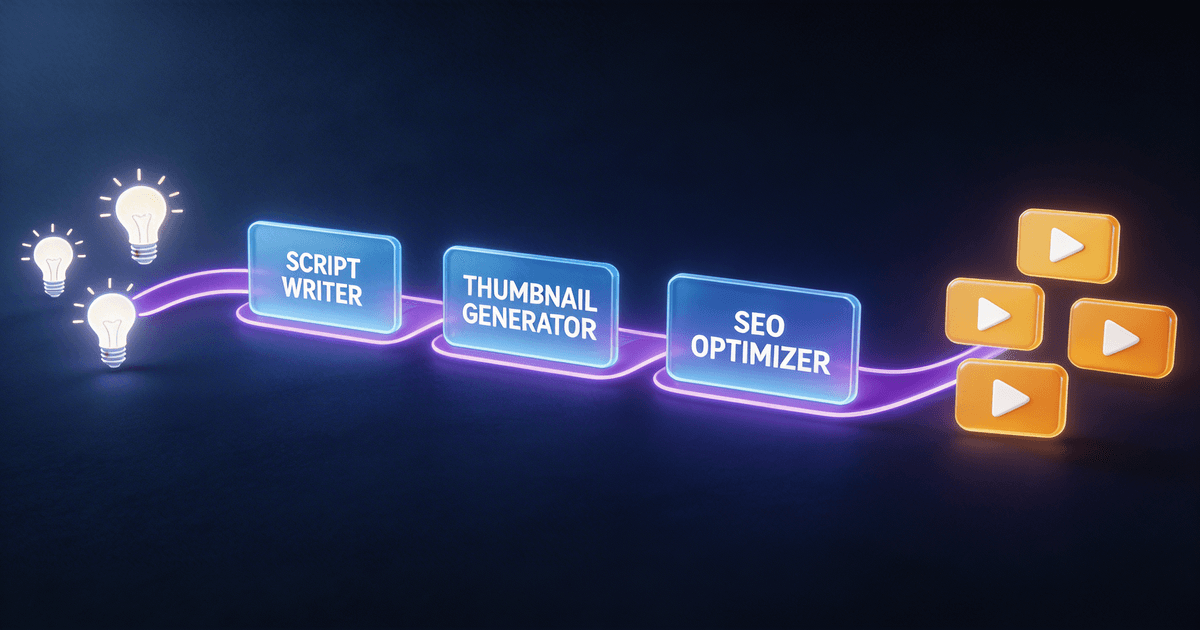
They do not run a skill once and evaluate it. They install a skill, run it for 10+ content pieces, refine the inputs, and let the system learn. They build chains where the output of one skill feeds directly into the next. They review outputs instead of writing from zero.
If you want to build that kind of system, map out a multi-skill prompt chain specific to your niche, platforms, and publishing cadence. The goal is sequencing — each skill's output feeds directly into the next input, without you managing the copy-paste between steps.
What this means for your workflow today
You do not need to overhaul your entire process this week. But you can start shifting from the old model to the new one with two changes:
-
Pick one skill for your biggest bottleneck. If scripting eats your time, start with the [Long-Form Script System](/skills/long-form-script-system?utm_source=blog&utm_medium=organic&utm_campaign=blog_cta_retail_2026&utm_content=ai-skills-changing_long-form-script-syst If repurposing is what you skip, start with the [Content Repurposing Planner](/skills/content-repurposing-planner?utm_source=blog&utm_medium=organic&utm_campaign=blog_cta_retail_2026&utm_content=ai-skills-changing_content-repurposing-p Run it for 10 pieces of content before judging it.
-
Connect two skills. Once one skill is automatic, add the next link in the chain. Script outputs feed packaging skills. Packaging outputs feed distribution skills. The handoff is where the real time savings live.
The creators who will dominate the next two years are not necessarily more talented or more hardworking. They have built systems where their effort compounds instead of repeating. AI skills are the infrastructure that makes that possible.
Browse the full creator skill catalog at CreatorSkills.co and find the system that matches your workflow.
Related resources:
- How to Use AI Skills to Automate Your Content Workflow — Step-by-step guide to chaining skills together
- How AI Skills Replace 5+ Separate Creator Tools — Cost and time comparison of skill stacks vs. tool subscriptions
- Complete Guide to AI Skills for Content Creators — Full catalog overview with skill-by-skill breakdowns
About the author
Founder, CreatorSkills
Caleb Leigh is the founder of CreatorSkills and focuses on buyer-first AI workflows for content creators.
Read the founder profile